Top Platforms for Onboarding Deskless Employees in Retail and Hospitality (December 2025 Update)
Retail and hospitality onboarding keeps missing the mark because it’s built for desks, not shifts. Frontline workers are expected to download apps, remember logins, and step away from customers just to get trained, even though their jobs rarely allow that kind of time or access. When onboarding depends on portals and scheduled sessions, learning gets delayed, skipped, or rushed, and new hires start behind on day one. The fix isn’t more content; it’s delivery that actually fits frontline work, which is why many teams are turning to deskless employee onboarding that reach employees directly on the phones and messaging tools they already use, right where the work happens.
TLDR:
Deskless onboarding trains retail and hospitality workers via SMS and messaging apps they already use.
Traditional LMS platforms often underperform for frontline teams who lack company emails and computer access during shifts.
Some modern tools report 95%+ completion rates by sending bite-sized training during paid work time or between scheduled shifts without app downloads.
SMS-based tools deploy quickly and support wage-and-hour compliance by helping document when training occurs during paid time.
Some AI systems automate course creation and deliver multilingual onboarding across 50+ languages.
What Is Deskless Employee Onboarding?
Deskless employee onboarding trains and integrates frontline workers who don't use computers during their shifts. In retail and hospitality, this covers cashiers, floor associates, servers, housekeepers, and kitchen staff.
Traditional onboarding depends on desktop portals and scheduled training sessions. Deskless onboarding reaches employees on mobile devices during paid work time or between scheduled shifts. These workers often lack company email addresses and can't access learning management systems that require desktop logins.
The challenge is delivering consistent, engaging training without disrupting operations. Frontline teams experience high turnover, making speed critical. You need tools that work on personal phones, deliver bite-sized content, and don't require extensive tech literacy or dedicated training time away from the floor.
How We Ranked These Onboarding Tools
We assessed each tool based on what matters most for retail and hospitality frontline teams.
Mobile accessibility came first. If workers can't access training on their phones without downloading apps or logging into portals, adoption suffers. We looked at whether tools deliver through SMS, WhatsApp, Teams, or Slack channels workers already use.
Speed of deployment ranked high because retail and hospitality face constant hiring cycles. Tools that require weeks of implementation and IT setup create training gaps. We focused on solutions that launch quickly and scale without heavy infrastructure.
Shift-based delivery compatibility was necessary. Training needs to fit around unpredictable schedules, not interrupt operations. We assessed whether tools could send content during breaks or between shifts without requiring dedicated training time.
Finally, we considered how tools reach employees without company emails or regular computer access.
Our rankings draw from publicly available product documentation, vendor websites, and published case studies instead of hands-on testing.
Arist
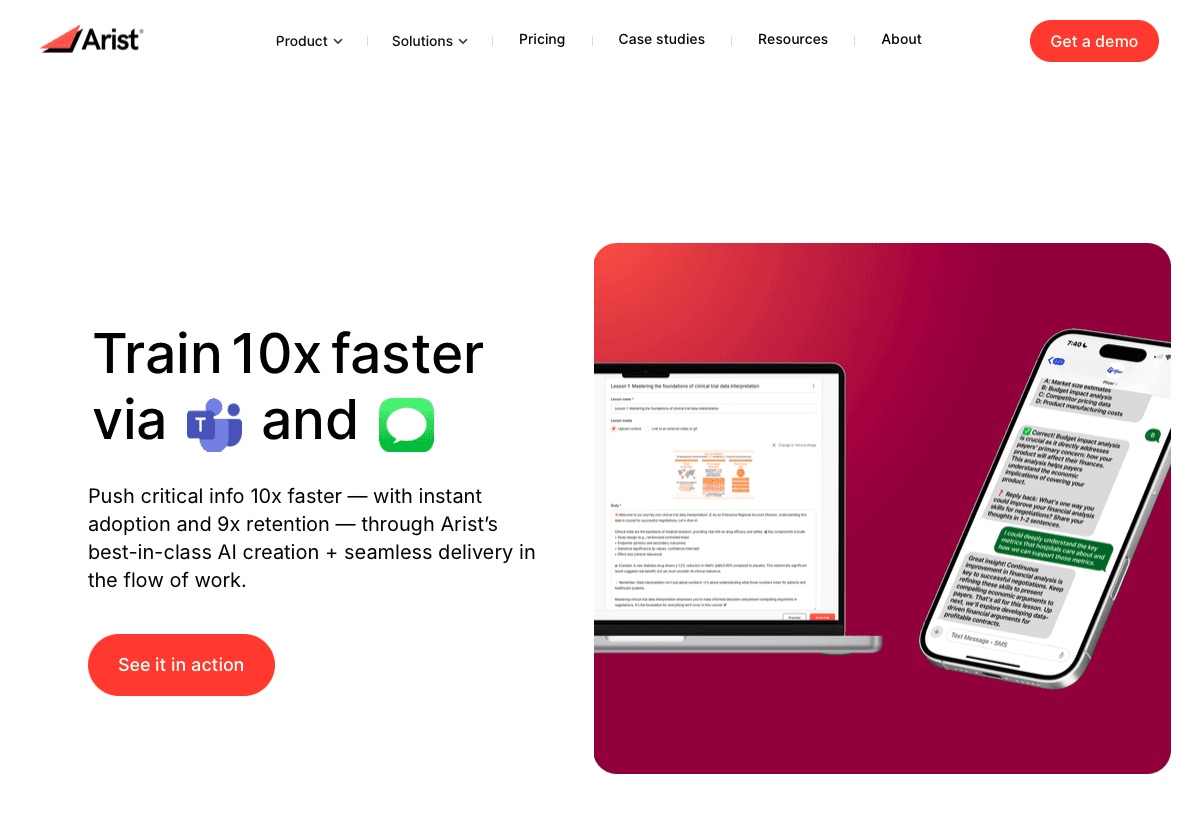
We built Arist for frontline teams who don't sit at desks. Training reaches employees through SMS, WhatsApp, Teams, and Slack with no app downloads or portal logins required. AI automates course creation and schedules content to arrive during breaks or between shifts, fitting around retail and hospitality schedules.
Completion rates often exceed 95% in customer case studies, in part because learning happens inside tools workers already use daily. The Creator Agent generates micro-courses from existing materials in minutes, while the Routing Agent automatically adjusts delivery timing based on shift patterns and performance data.
Key Capabilities for Retail and Hospitality
The solution handles multilingual onboarding across 50+ languages. Direct integrations with Workday and SAP SuccessFactors automatically build learner cohorts from HRIS data and sync completion records for compliance tracking. Wage-and-hour features document that training happens on the clock.
Deployment takes hours instead of weeks. The Analytics Agent helps teams analyze relationships between training completion and business metrics like time-to-first-sale or safety incidents. Clients report 10× faster rollout compared to traditional LMS systems.
Axonify
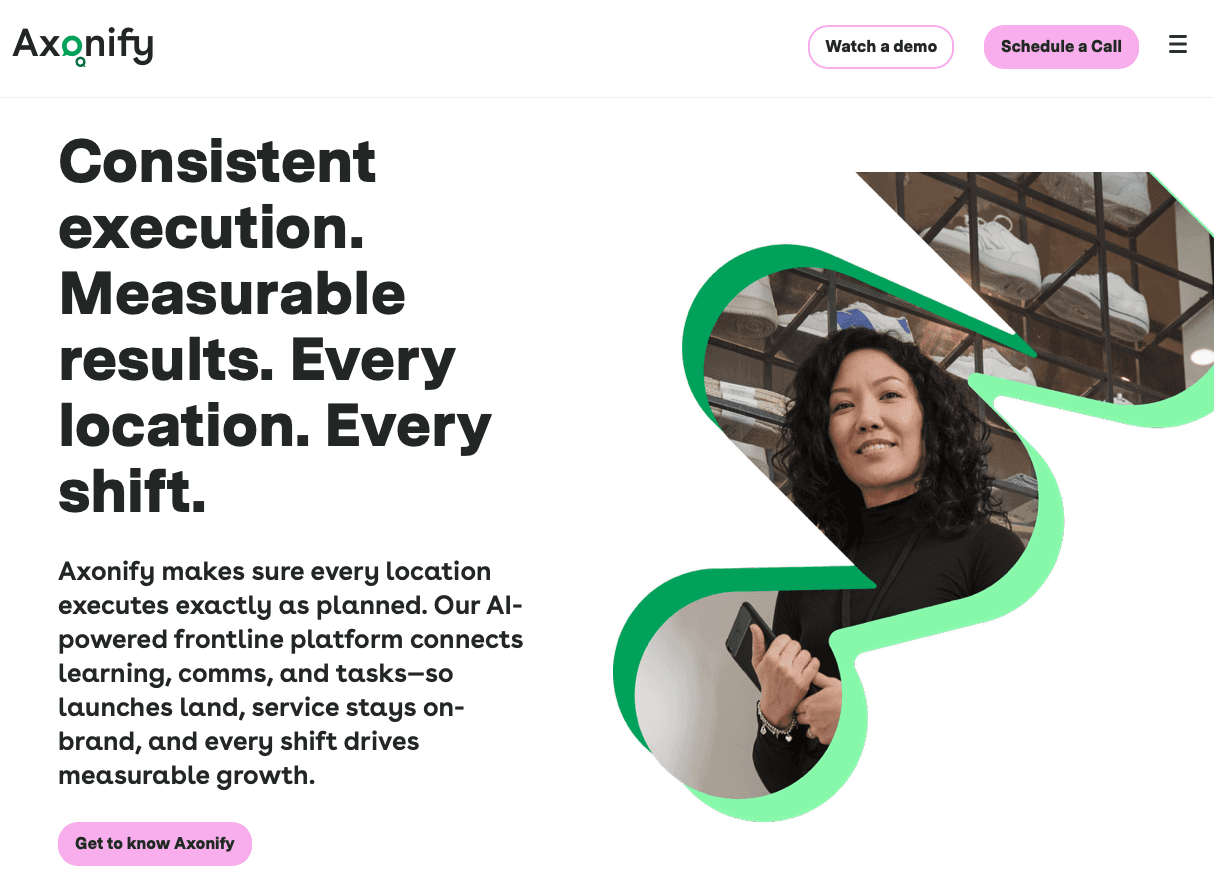
Axonify offers microlearning with reinforcement and gamification delivered primarily through a dedicated mobile app.
What They Offer
App-based microlearning with daily reinforcement questions
Gamification elements including points and leaderboards
Knowledge retention tracking through spaced repetition
Manager dashboards for tracking team progress
Good for: Retail or hospitality chains that can mandate app downloads and have device provisioning programs for all staff.
Limitation: Requires employees to download and regularly open a separate app, which creates adoption friction for deskless workers. Workers must remember passwords, manage storage space, and handle interface updates. Not designed for rapid deployment in high-turnover environments where workers need immediate access.
Bottom line: Axonify delivers solid reinforcement mechanics but depends on app usage habits that many frontline retail and hospitality workers find cumbersome compared to text-based delivery.
Qstream
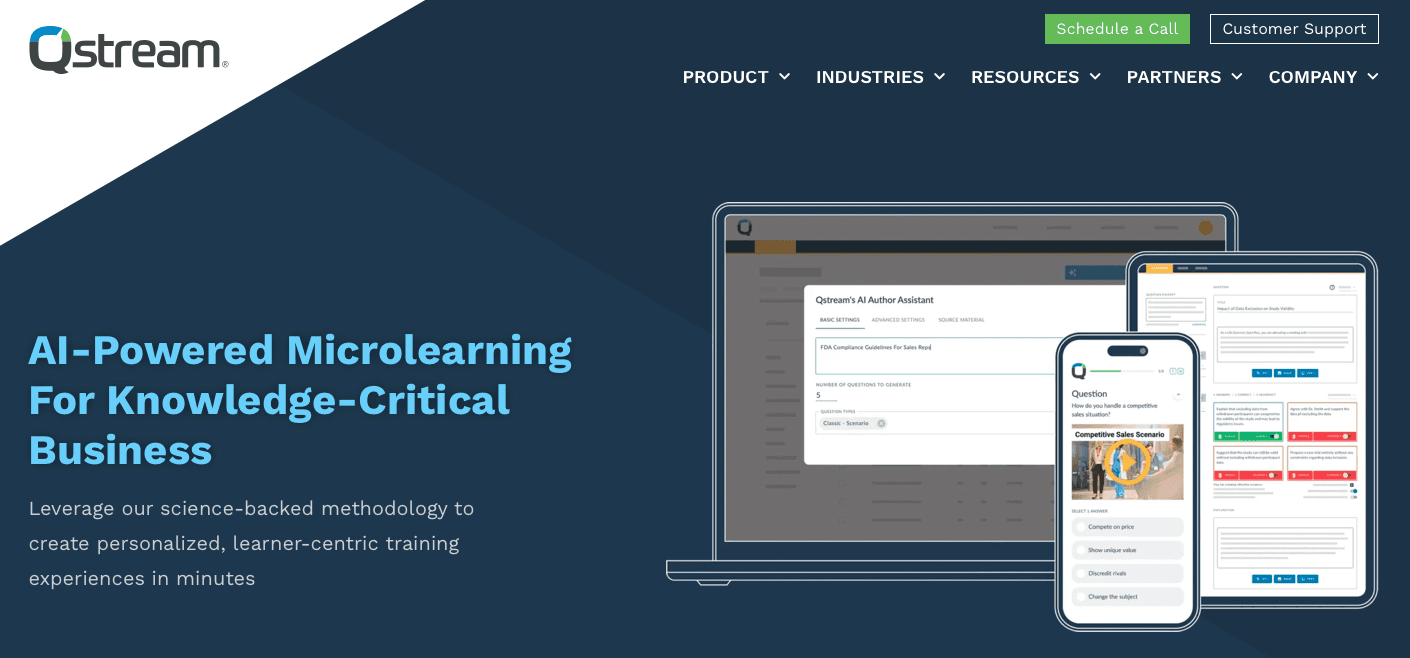
Qstream uses quiz-based spaced repetition to reinforce knowledge after initial training.
What They Offer
Spaced repetition quizzes delivered through channels such as email and web-based experiences
Performance analytics showing knowledge retention over time
Scenario-based questions for sales and compliance topics
Integration with email systems for delivery reminders
Good for: Sales-focused retail teams that already completed foundational training and need periodic reinforcement.
Limitation: Qstream doesn't create onboarding content or deliver full training pathways. It assumes training already exists elsewhere and functions purely as a reinforcement layer. Organizations must still build, host, and deliver primary training before Qstream adds value. The email and web-based delivery also misses deskless workers who rarely check work email or access desktop portals during shifts.
Bottom line: Qstream works as a reinforcement tool but can't replace a complete onboarding solution for frontline workers who need full training delivered accessibly from day one.
Mindtickle
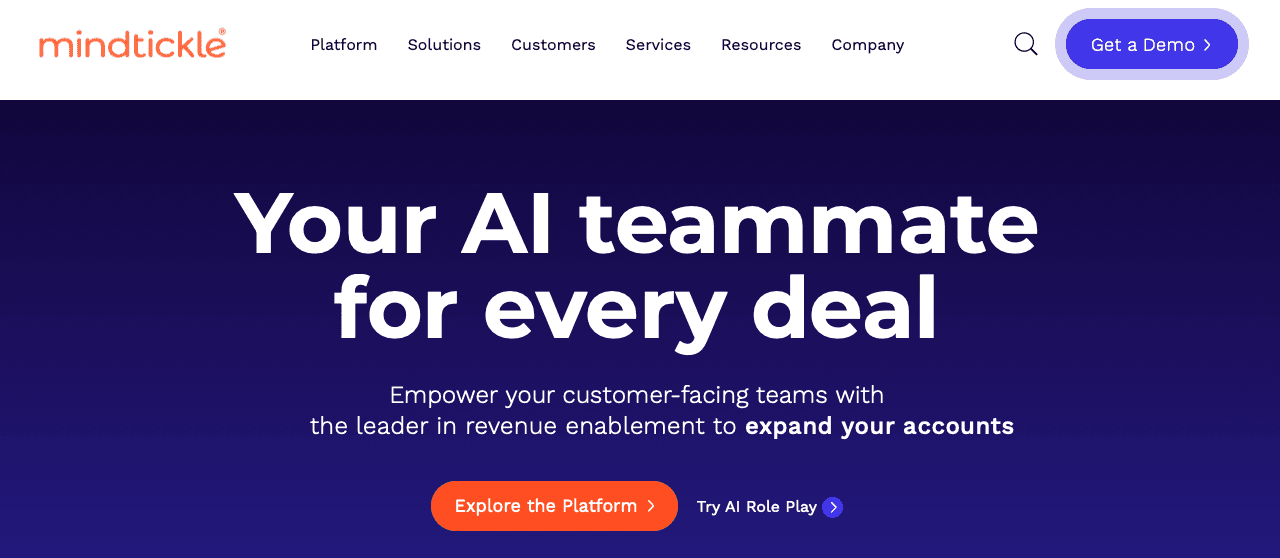
Mindtickle provides sales enablement with content management, coaching, and readiness tracking.
What They Offer
Centralized content library for training materials
Sales coaching tools with call recording and feedback
Readiness scorecards tracking individual performance
Integration with CRM systems for sales-specific workflows
Good for: Corporate retail sales teams or hospitality sales departments working B2B accounts.
Limitation: Mindtickle is built for desk-based sales professionals, not frontline workers. It assumes learners have regular computer access and spend time in CRM systems. Shift workers in stores, hotels, or restaurants need on-the-floor training for customer service and operations, not call coaching.
Bottom line: Mindtickle excels in corporate sales enablement but lacks the mobile-first, shift-based design for deskless onboarding.
LinkedIn Learning
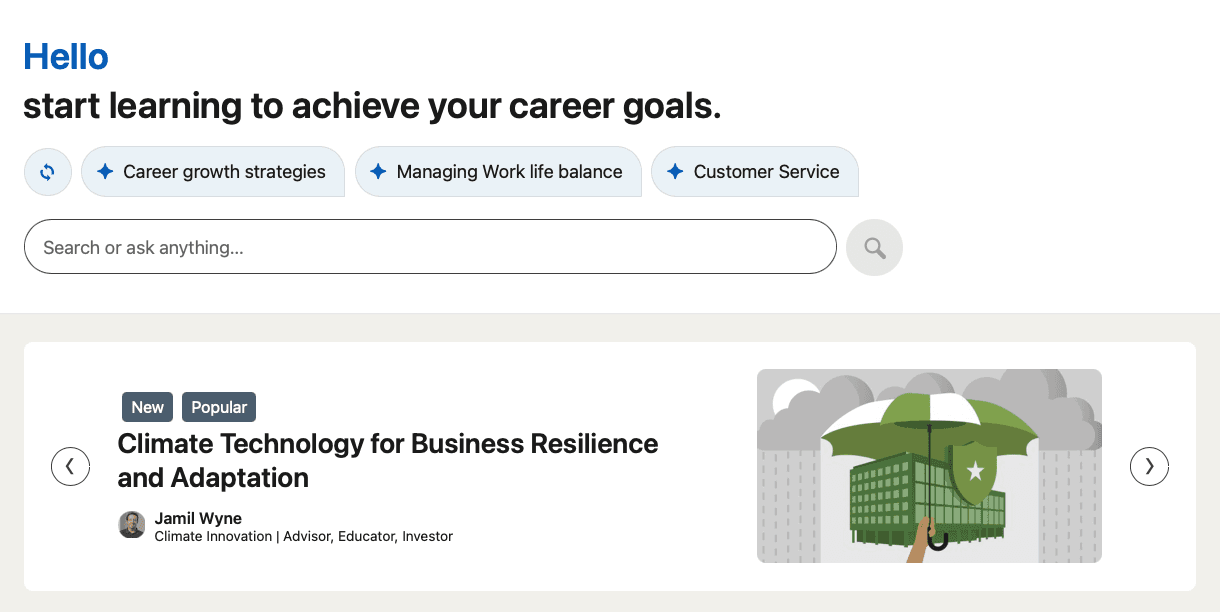
LinkedIn Learning offers a video course library covering business, tech, and soft skills.
What They Offer
Thousands of pre-recorded video courses on general topics
Certificates of completion for finished courses
Recommendation engine suggesting related content
Integration with LinkedIn profiles for credential display
Good for: Corporate teams or back-office retail and hospitality staff who have time for self-directed, long-form video learning at a desk.
Limitation: LinkedIn Learning delivers passive video content requiring employees to carve out extended sitting time, often longer-form compared to microlearning, depending on the course. Frontline workers serving customers can't pause for long video sessions. The solution lacks SMS or shift-based push delivery. The generic catalog doesn't include company-specific policies, product information, or functional procedures new hires need immediately.
Bottom line: LinkedIn Learning provides strong professional development content but misses the onboarding and functional training needs of deskless retail and hospitality workers.
Degreed
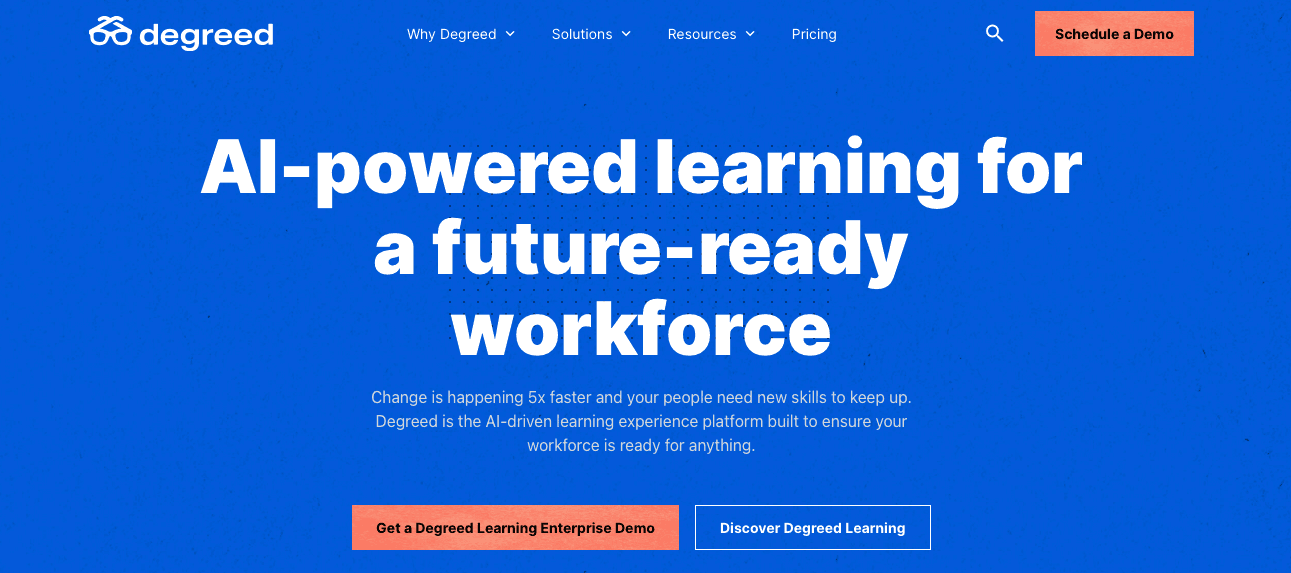
Degreed aggregates learning content from multiple sources into a unified skills development experience.
What They Offer
Content aggregation from internal and external sources
Skills tracking with competency frameworks
Learning pathways tied to career development goals
Analytics showing skills gaps across teams
Good for: Large enterprises with mature L&D programs consolidating learning resources for knowledge workers.
Limitation: Requires employees to regularly log into a web-based portal. For retail store associates or hospitality front-desk staff working variable shifts without regular computer access, this creates a barrier to adoption. Degreed does not generate training content, so organizations must still create onboarding materials for their specific functional needs. Without SMS or messaging-native delivery, the solution cannot reach deskless workers during their workday.
Bottom line: Degreed organizes existing learning well but lacks mobile-first delivery and content creation capabilities that retail and hospitality onboarding requires.
Why Arist Is the Best Option for Deskless Employee Onboarding in Retail and Hospitality
Retail and hospitality workers move between stations, cover breaks, and rarely access computers during shifts. Structured onboarding improves retention and performance, but only when workers can reach it.
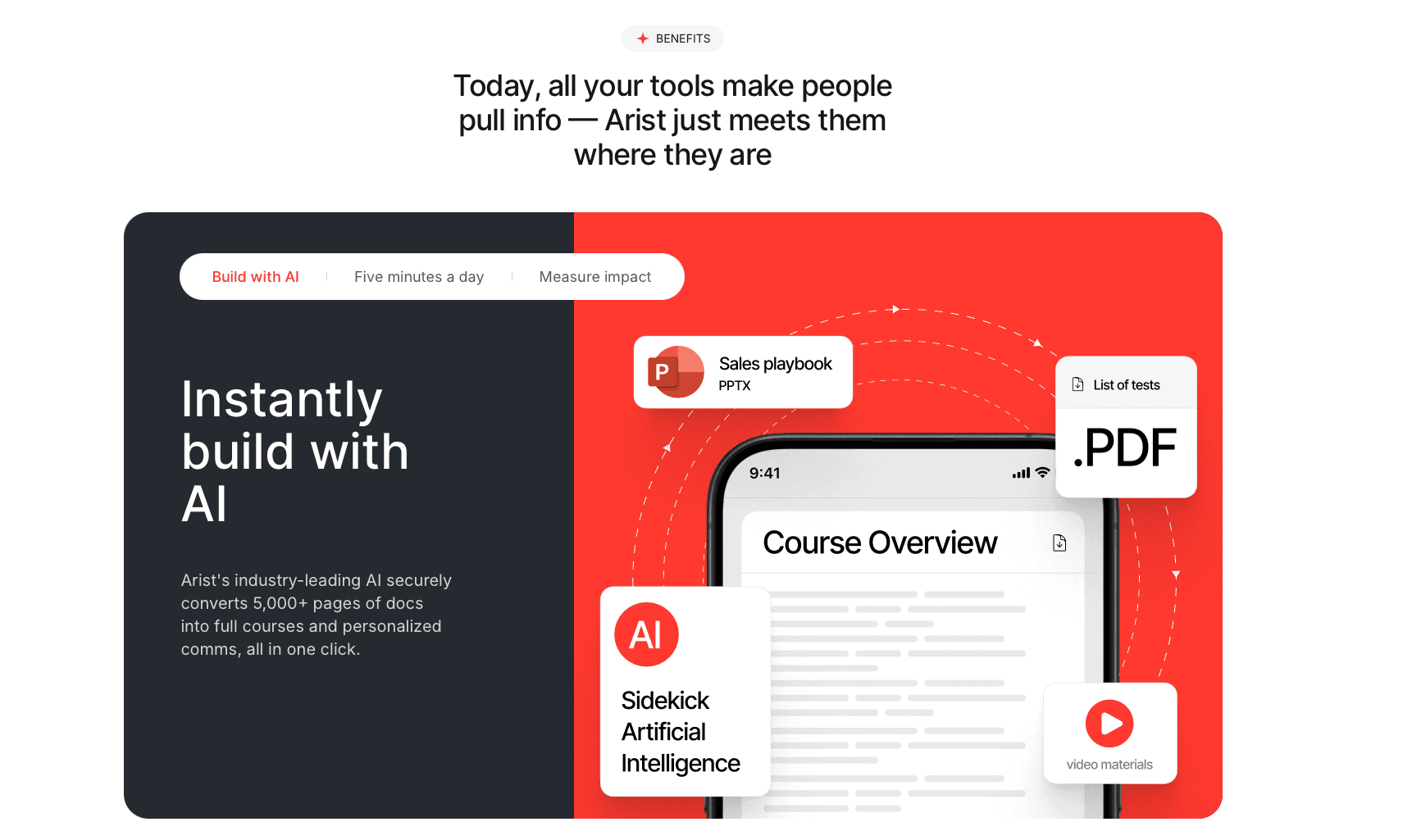
Arist delivers training through SMS and messaging apps that shift workers already check throughout their day. No separate logins, no app downloads, no training portals to find between table rushes or restocking. AI converts policy documents and training materials into mobile-ready microlearning in hours. Automated scheduling can send lessons during paid time, helping organizations tackle common wage-and-hour challenges in retail and hospitality onboarding.
Completion rates consistently exceed 95%, and new hires start training on day one.
FAQs
How do I choose the right onboarding tool for my retail or hospitality team?
Start by identifying whether your workers have company email addresses and regular computer access. If not, focus on tools that deliver through SMS or messaging apps without requiring logins. Consider your hiring volume and how quickly you need to deploy training. High-turnover environments need solutions that launch in days, not weeks.
Which onboarding tool works best for teams without company devices?
SMS-based solutions like Arist work best because they reach personal phones without app downloads or corporate device requirements. Workers receive training through text messages they can access during breaks, eliminating barriers like app storage limits or forgotten passwords.
Can I use LinkedIn Learning or Degreed for frontline worker onboarding?
These platforms work better for back-office staff with desk time. Frontline workers serving customers can't pause for 30-minute video courses or log into web portals during shifts. You'll need mobile-first tools that deliver short lessons between tasks.
Final thoughts on getting frontline onboarding right
Deskless employee onboarding only works when training reaches workers where their jobs actually happen. Retail and hospitality teams can’t pause service to log into portals, download apps, or sit through long sessions, which is why so many programs fail to gain traction. Arist delivers onboarding through SMS and messaging apps workers already check during breaks and between shifts, using AI to turn existing materials into short lessons in hours. New hires begin learning on day one, training fits naturally around shift work, and teams consistently see 95%+ completion rates because learning meets workers on their terms, not the other way around.
Jasper Ng
Bring
real impact
to your people
We care about solving meaningful problems and being thought partners first and foremost. Arist is used and loved by the Fortune 500 — and we'd love to support your goals.
Curious to get a demo or free trial? We'd love to chat: