Best Platforms for Real-Time Product Launch Training and Reinforcement (December 2025)
Product launches fall apart when training moves slower than the release itself. Sending a deck or PDF and hoping teams absorb it is no longer enough when sales, support, and marketing all need shared clarity in a matter of days, not months. Reps must speak confidently about positioning, support must anticipate real customer questions, and messaging has to stay aligned from day one, all while teams stay focused on their core work. That’s why more organizations rely on product launch training software that turn existing launch materials into short, timely training delivered where teams already work, so knowledge sticks long after the file is closed.
TLDR:
Product launch training must reach teams in hours, not weeks; 95% of launches fail due to slow readiness.
SMS, Teams, and Slack delivery drives 95%+ completion vs. 30% for traditional LMS portals.
AI content creation converts launch materials into training sequences the same day.
Spaced reinforcement improves retention 60% more than one-time training sessions.
Some modern tools automate end-to-end launch training through AI agents that create, deliver, and track readiness.
What Is Product Launch Training?
Product launch training prepares customer-facing teams to introduce new products. Sales reps need to explain features and benefits, support teams must handle questions, and marketing needs aligned messaging. Without structured training, launches struggle.
This training covers positioning, key differentiators, competitive comparisons, and common objections. The goal is launch readiness: getting teams from limited knowledge to confident selling or support before release.
Speed matters. Most companies have only weeks between finalizing a product and going live, and traditional training can’t keep up. Effective launch training builds knowledge retention through reinforcement, since a single kickoff session rarely sticks.
How We Assessed Product Launch Training Software
We reviewed each solution based on publicly available product information, customer case studies, and company documentation. Our goal was to identify which tools best tackle the speed and engagement challenges that cause 95% of product launches to fail.
Delivery method came first. We focused solutions that reach teams through SMS, Teams, or Slack instead of requiring separate app logins. This matters for distributed sales teams who rarely check traditional learning portals.
Speed of deployment was critical. Product launch windows are tight. We looked for solutions that can create and distribute training quickly without heavy instructional design resources.
AI-powered content creation separated leaders from followers. Manual course building can't keep pace with launch timelines. We assessed whether each tool could convert product specs and sales decks into training automatically.
We assessed engagement and reinforcement capabilities. One-time training sessions produce low retention. We looked for spaced repetition, knowledge checks, and touchpoints that build real product fluency over time.
Arist
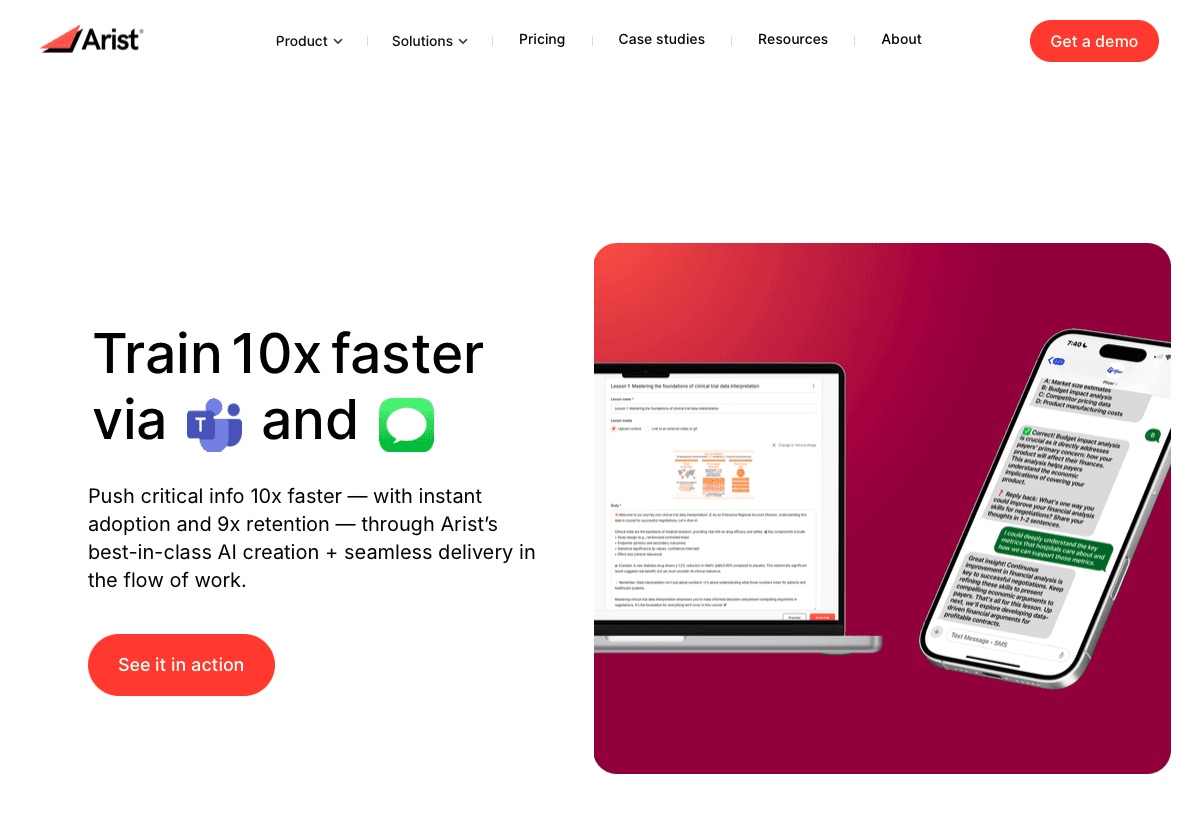
We built Arist to solve the most common product launch training failure: teams that can't absorb information fast enough to meet launch deadlines. Our AI agents create, deliver, and reinforce training through the messaging tools your teams already use every day.
Speed from Materials to Launch Readiness
Our Creator Agent converts product specs, sales decks, and positioning docs into training sequences in hours. You upload launch materials, and the system generates micro-lessons, competitive comparisons, and knowledge checks automatically.
The Referencing Agent fact-checks content against source materials. This matters when product details change days before launch, a scenario that paralyzes traditional training workflows.
Training That Reaches Every Launch Stakeholder
Sales teams get training via SMS or Teams, often during their commute. Support teams receive updates in Slack between customer tickets. Marketing teams access messaging frameworks without leaving their workflow.
Our Routing Agent schedules reinforcement based on role and performance data. A rep who struggles with pricing gets additional prompts. Someone who masters technical specs moves to objection handling.
Measurable Launch Readiness
The Analytics Agent tracks completion and comprehension across your entire go-to-market org. You see which geographies are ready, which product features need more reinforcement, and which team members require support before launch day.
Clients report completion rates above 95%, compared to typical LMS engagement below 30%.
Axonify
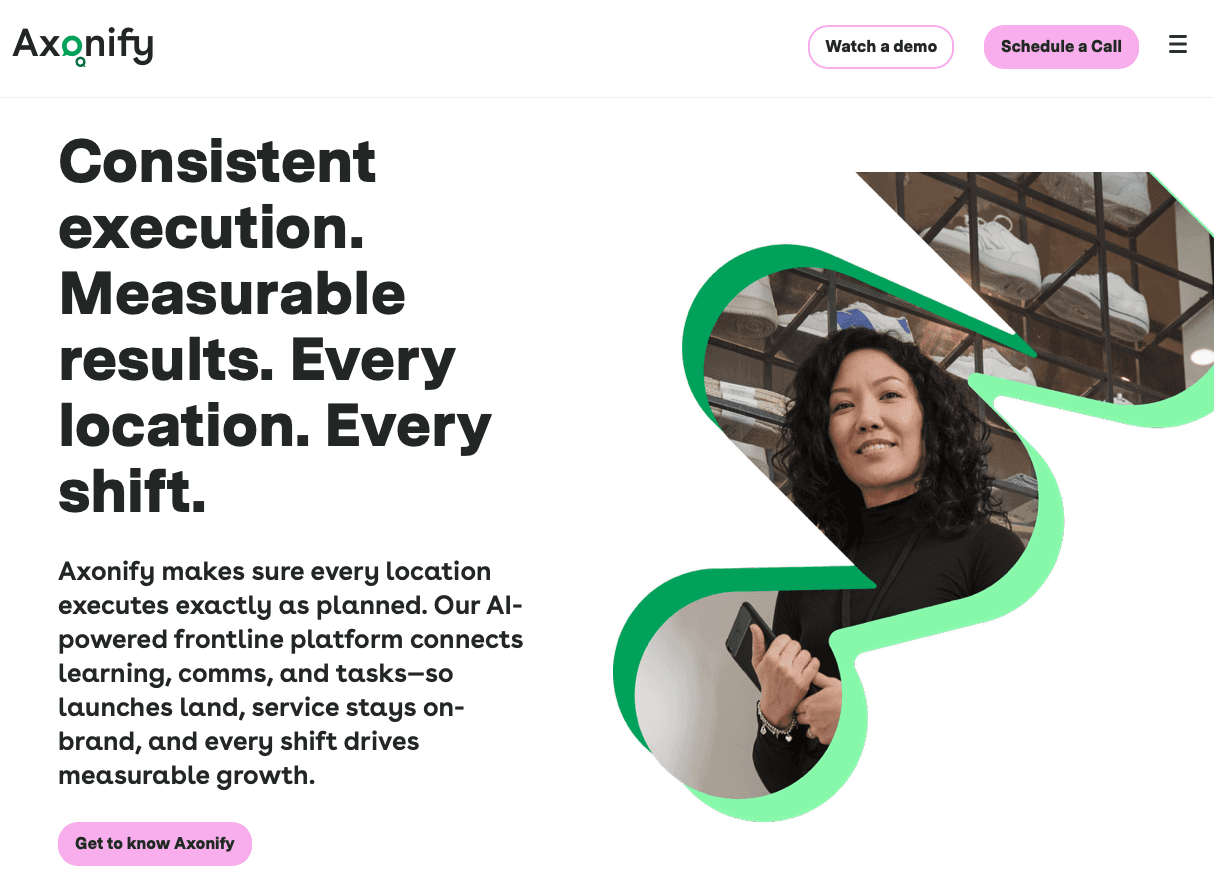
Axonify delivers microlearning through a mobile app with gamification elements like points and leaderboards. The tool uses spaced repetition to reinforce knowledge and integrates with HRIS systems for learner data sync.
What works: App-based daily training prompts keep product knowledge fresh. Gamification drives engagement for teams motivated by competition. Spaced repetition helps information stick beyond the initial launch window.
The limitation: Axonify requires app downloads and regular logins, creating friction for field sales teams who won't consistently open another tool during launch periods. Axonify can be accessed via its mobile experience and also offers a Microsoft Teams app, but teams may still need to adopt Axonify-specific workflows instead of receiving launch training as native, in-channel sequences in the tools they already use. For time-sensitive launches, this adoption barrier delays readiness.
The bottom line: Axonify works for desk-based teams comfortable with app-based learning. For distributed sales organizations executing fast product launches, the app-first approach introduces obstacles to launch readiness.
Qstream
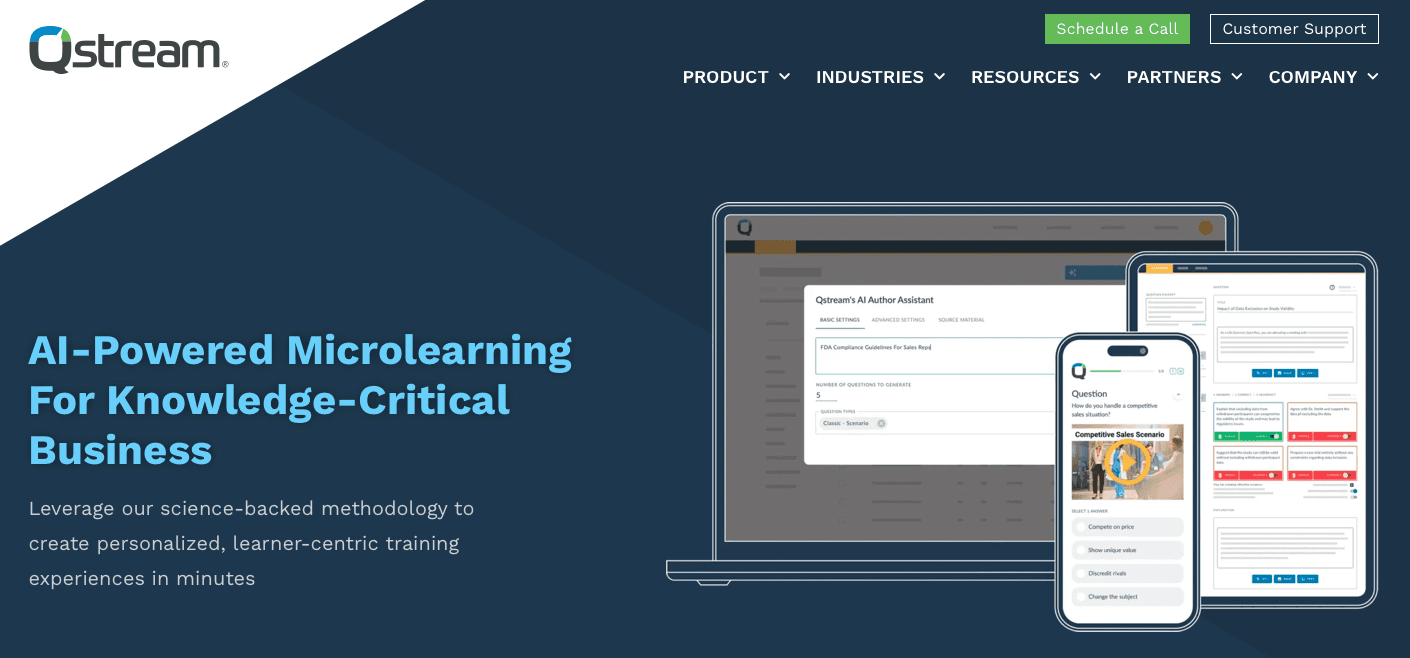
Qstream provides spaced repetition quizzing for knowledge reinforcement. The tool sends challenge-based learning through recurring quizzes, using spaced repetition methodology to improve retention. Leaderboards and competitive elements drive engagement, while performance analytics track individual and team progress.
What works: Organizations with existing product training materials can add a reinforcement layer through periodic quizzes. The spaced repetition approach helps knowledge stick after initial training.
The limitation: Qstream focuses exclusively on quiz-based reinforcement without creating training content. Teams must build all product launch materials elsewhere first. Qstream offers a Microsoft Teams integration for notifications and learner prompts, but it’s primarily reinforcement-focused and still depends on Qstream as the system of record for delivery and tracking.
The bottom line: Qstream handles reinforcement quizzing but not the end-to-end content creation and delivery needs of fast-moving product launches.
Mindtickle
Mindtickle is a sales readiness solution focused on onboarding, coaching, and content management for revenue teams. The tool includes role-playing simulations, coaching workflows, sales collateral libraries, and readiness scorecards that help managers identify skill gaps before launches.
What works: Mindtickle offers strong sales-focused capabilities for organizations with longer preparation cycles. Its role-playing simulations and coaching workflows help managers assess seller readiness ahead of major launches, while readiness scorecards surface gaps in messaging, objection handling, and product knowledge.
The limitation: Mindtickle serves sales teams exclusively, leaving customer success, support, and marketing without product launch training. Implementation takes months, missing tight launch windows. Training lives in a separate portal instead of Teams, Slack, or SMS, creating friction for field reps who need immediate access during customer conversations.
The bottom line: Mindtickle's sales-only focus and lengthy deployment make it impractical for fast, cross-functional product launch readiness.
Seismic
Seismic is a sales enablement tool for content management and buyer engagement. It offers a centralized repository for sales materials, content analytics on usage patterns, CRM integrations, and AI-powered content recommendations.
What works: Organizations use Seismic to organize and distribute product collateral. The analytics reveal which materials sellers use in deals, helping marketing teams understand what resonates.
The limitation: Seismic manages content distribution but doesn't train teams on product knowledge or verify comprehension through assessments. Seismic offers Slack integrations that help teams share and access enablement content in-channel, but it’s still primarily a content and enablement layer instead of a dedicated product launch training system with structured learning paths and comprehension verification.
During product launches, teams need structured learning paths with knowledge verification. Seismic provides a content library without the training infrastructure to verify sellers understand new product value propositions, competitive positioning, or technical details.
The bottom line: Seismic distributes content but doesn't train or assess product knowledge, leaving launch readiness verification as a separate challenge.
Degreed
Degreed aggregates learning content from external sources into personalized pathways. It tracks skills development, recommends content based on role, and integrates with content providers to create a unified learning catalog for long-term employee development.
What works: Degreed supports long-term learning and skills tracking for organizations with mature L&D programs. Its ability to aggregate content from multiple sources into personalized learning pathways helps employees connect training to career development goals. For teams with regular desk time, the skills insights and content recommendations provide visibility into learning progress over time.
The limitation: Degreed does not create product launch training content, so teams must build all materials separately before adding them to the system. Access depends on logging into a web-based portal, which slows adoption during fast launch cycles when employees need immediate updates. The lack of automated reinforcement during launch windows means knowledge fades quickly, especially when training competes with active sales and support work.
The bottom line: Degreed works well for ongoing skills development, but its portal-based access, manual content setup, and limited reinforcement make it a weak fit for rapid, high-stakes product launch training.
LinkedIn Learning
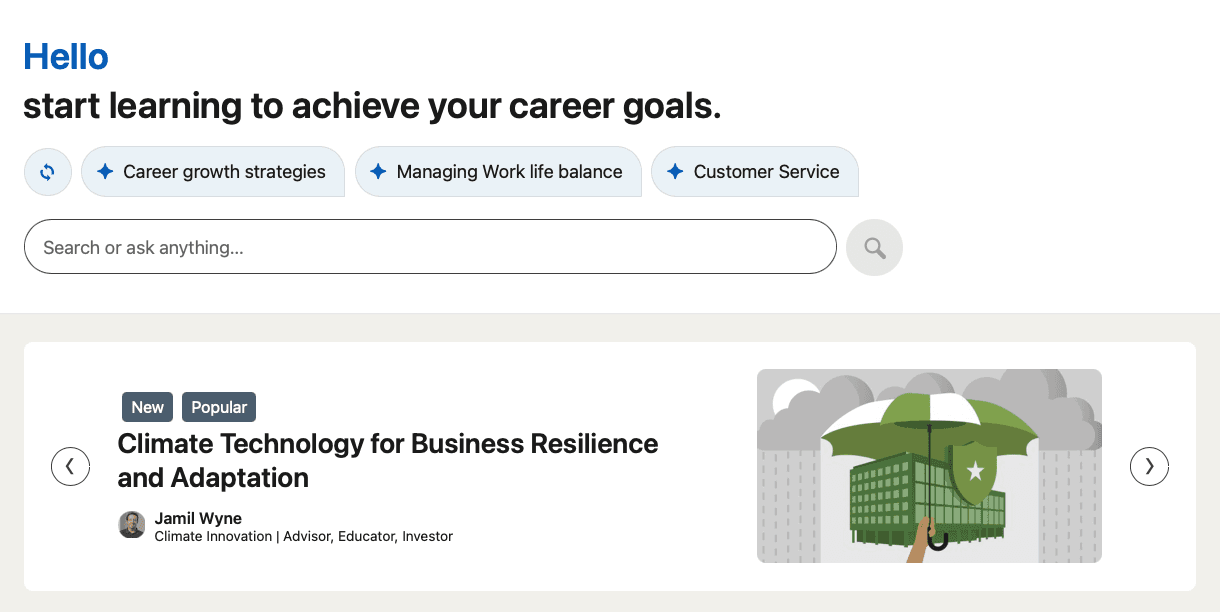
LinkedIn Learning is a video course library covering general business and professional skills.
What works: LinkedIn Learning offers a large library of professionally produced video courses covering general business, leadership, and soft skills. The content quality is high and consistent, with built-in assessments and completion certificates that help organizations track participation. For teams with dedicated desk time, the mobile app and LinkedIn profile integration make it easy to consume learning and showcase completed courses.
The limitation: LinkedIn Learning provides generic business courses without customization for product-specific training. The video-based format requires 30-60 continuous minutes per course, which doesn't fit field team schedules during launch periods.
There's no SMS or workplace messaging delivery, no AI to convert launch materials into training content, and no way to create product knowledge, competitive positioning, or objection handling content for launch readiness.
The bottom line: LinkedIn Learning offers general video courses, not the customized, rapid-deployment product training that launches require.
Why Arist Is the Strongest Choice for Product Launch Training
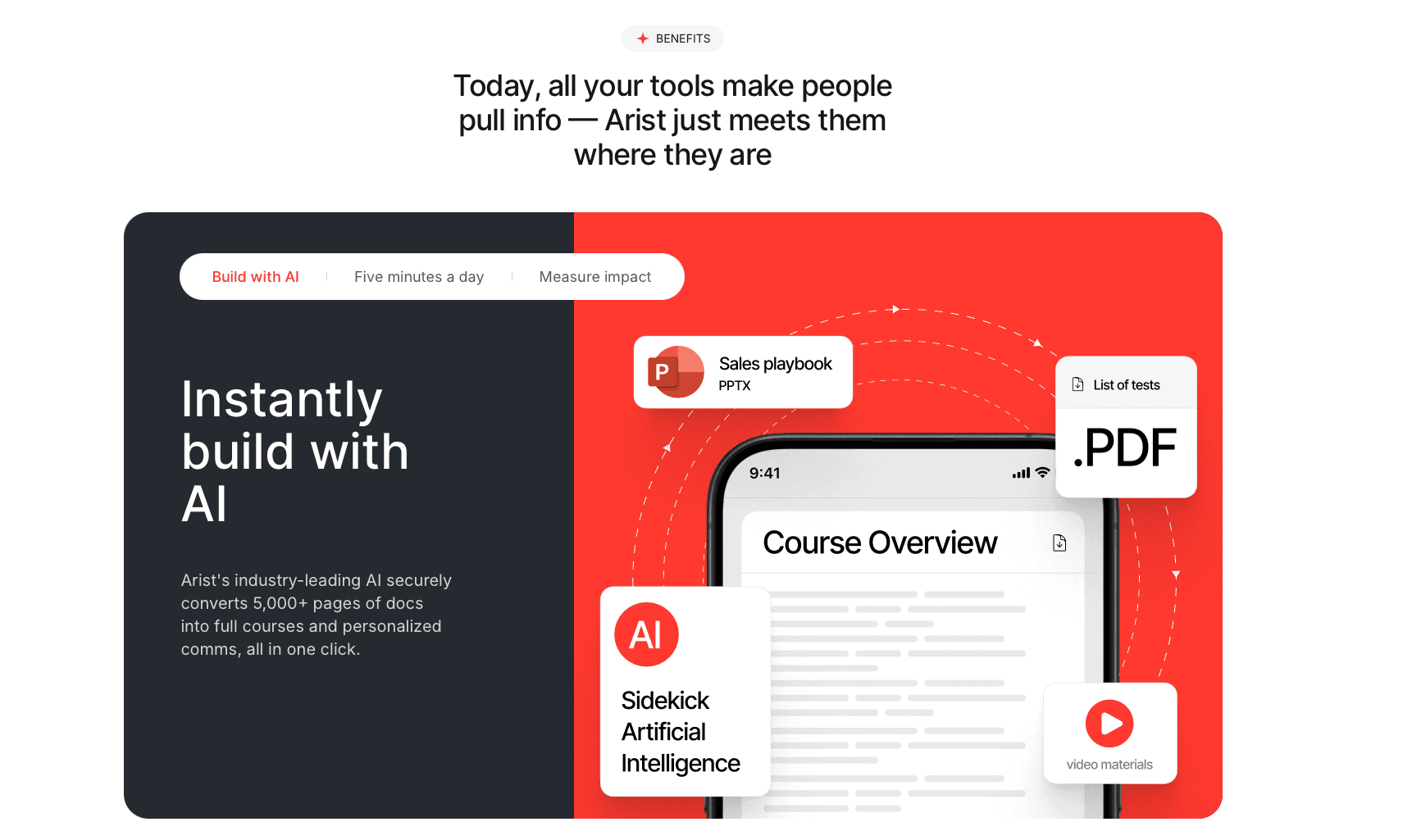
Product launches fail when training can't keep pace with launch timelines. Arist delivers through SMS, Teams, and Slack because text-based training reaches 98% of employees regardless of location or device access.
AI agents cut the weeks typically spent building courses manually. Upload launch materials and deploy training in as little as the same day, with automated reinforcement that drives 60% better retention than one-time sessions.
Launch readiness requires verified comprehension across every customer-facing role before release. That's what separates successful launches from the 95% that fail.
FAQs
Which product launch training software works best for fast deployment timelines?
Tools with AI content creation and messaging-based delivery deploy fastest, typically within hours or days. Solutions requiring custom course building, app installations, or lengthy implementations take weeks to months and often miss tight launch windows.
Can I use a general learning tool like LinkedIn Learning for product launches?
General learning platforms lack product-specific customization, competitive positioning content, and the rapid deployment needed for launches. They work for evergreen skills training but can't create or deliver the tailored product knowledge, objection handling, and technical details that launch readiness requires.
What's the difference between content management tools and training platforms for launches?
Content management tools like Seismic organize and distribute sales materials but don't train teams or verify comprehension through assessments. Training platforms create structured learning paths with knowledge checks that confirm teams understand product positioning, features, and competitive differentiators before launch day.
Final thoughts on product launch training solutions
Winning launches depend on how quickly teams absorb and apply new product knowledge. Product launch training software has to show up where work already happens, through SMS, Teams, or Slack, not inside yet another tool competing for attention. Arist turns launch decks, specs, and positioning docs into short, timely lessons in hours, then reinforces what matters until sales, support, and marketing are fully ready. When every customer-facing team enters launch day aligned and confident, your release stops being a scramble and starts joining the small percentage that actually deliver results.
Jasper Ng
Bring
real impact
to your people
We care about solving meaningful problems and being thought partners first and foremost. Arist is used and loved by the Fortune 500 — and we'd love to support your goals.
Curious to get a demo or free trial? We'd love to chat: