4 Proven Pipeline Generation Tactics That Drive Growth in 2025
You've likely tried every pipeline generation strategy in the book, only to watch your sales team struggle with the same old challenges quarter after quarter. Building a sustainable sales pipeline has never been more challenging, yet companies that crack the code are seeing unprecedented growth while others are stuck spinning their wheels with outdated tactics that simply don't work anymore.
TLDR:
AI lead scoring improves conversion rates by focusing sales teams on high-probability prospects
Multi-channel campaigns reduce cost per lead by 31% compared to single-channel outreach
Account-based targeting generates 3x more leads at 62% lower cost than traditional methods
Real-time analytics allow course correction before deals stall in your pipeline
Automated workflows with tools like Arist make sure no opportunities fall through the cracks while freeing team capacity
What Is Pipeline Generation?
Pipeline generation is the disciplined process of creating and nurturing qualified opportunities that predictably convert into revenue. Where traditional lead generation optimizes for volume, pipeline generation optimizes for fit, intent, velocity, and win likelihood.
Two realities shape pipeline generation in 2025. Research shows that 70% of B2B buyers conduct extensive research before ever contacting sales, and buying committees now include 11 stakeholders, elongating sales cycles and raising the bar for relevance. Your pipeline generation strategy should reflect this new behavior and focus on generating better opportunities that actually close.
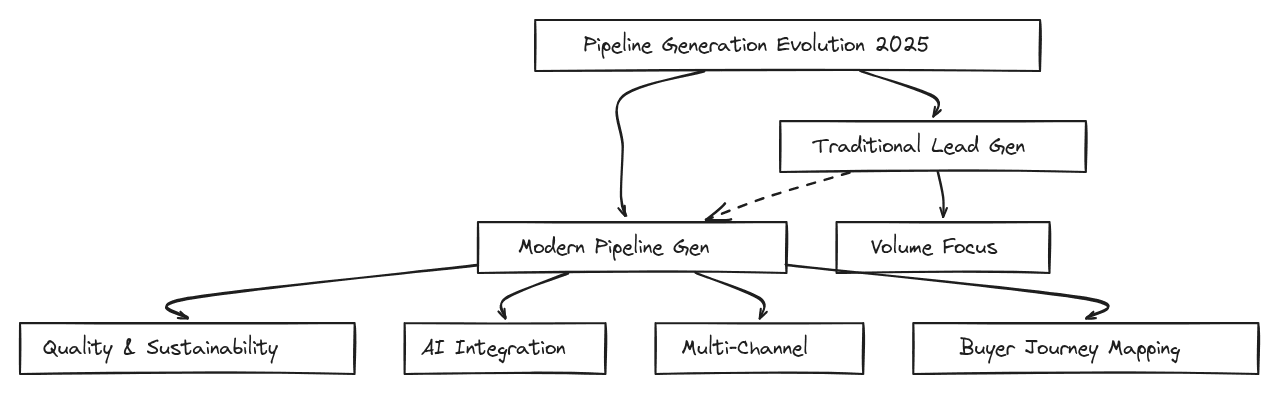
A Practical Pipeline Generation Framework
Use this four pillar framework to align marketing, sales, and enablement.
1. AI powered lead scoring and prioritization
Blend fit, intent, and engagement signals into a single priority score that refreshes often.
Examples of signals: pricing page visits, repeat engagement with a product topic, hiring spikes in relevant roles, technology changes, funding or leadership moves, outreach replies.
Outcome to measure: conversion rate by priority tier and time to first meaningful touch.
2. Content-led, multi-channel nurturing
Map content to the customer journey, early to late stage, and deliver it where buyers already are. Keep one core story, adapt format and CTA by channel.
Outcome to measure: meeting creation rates from content touches, not just downloads.
3. Account-based pipeline generation
Select a focused list that matches your ICP and shows buying signals. Engage the full buying group with role specific messages and proof.
Outcome to measure: stakeholder coverage, stage velocity, and meetings per target account.
4. Real time analytics and automation
Standardize definitions across teams, track leading indicators, and use triggers to prevent stalls.
Outcome to measure: reduction in stage age, improved forecast accuracy, lower time between key milestones.
This pipeline generation framework scales up or down. Smaller teams can run a lean version with the same intent.
Tactic 1: AI-Powered Lead Scoring and Prioritization
AI isn't a luxury anymore. It's a necessity for effective pipeline generation. The data backs this up: 87% of companies are using AI in demand generation tactics, with 65% reporting positive impact from using AI for at least one tactic.
The key is moving beyond basic demographic scoring to behavioral and predictive analytics. AI can analyze patterns across thousands of data points to identify which prospects are most likely to convert and when they're ready to buy.
Smart lead scoring considers factors like engagement history, company growth signals, tech stack changes, and even hiring patterns. When a prospect downloads three pieces of content, attends a webinar, and their company just raised funding, that's a much stronger signal than someone who simply fits your ICP.
The real power comes from prioritization. Instead of chasing every lead, your sales team should focus on the opportunities with the highest probability of closing to improve conversion rates and reduce time spent on dead-end prospects.
Tactic 2: Content-Led, Multi-Channel Nurturing
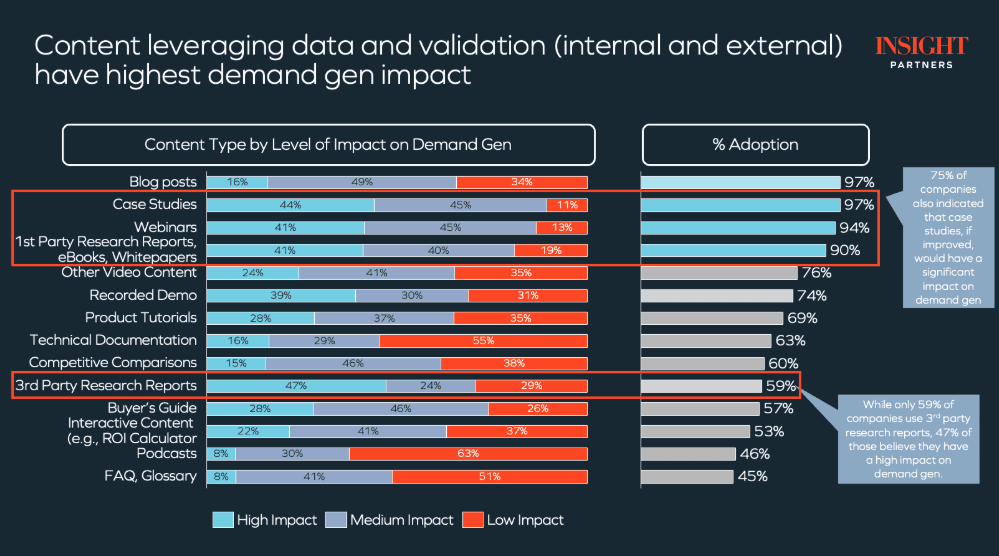
Effective pipeline generation blends multi-channel engagement with content that educates, builds trust, and drives consistent momentum across the buyer’s journey.
Why it matters
Based on lead generation trends, multi-channel campaigns deliver a 31% lower cost per lead than single-channel outreach, but the deeper value lies in reinforcement. Prospects do not live in one channel. They move between LinkedIn, Google, webinars, and email. Each touchpoint compounds familiarity and credibility.
The playbook
Maintain consistency of message and tone across every medium, while optimizing for native fit. A LinkedIn post should feel like LinkedIn but still reinforce the same core value proposition as your email nurture.
Channel | Best For | Key Metric |
|---|---|---|
Relationship building | Connection acceptance rate | |
Direct communication | Open and response rates | |
Content | Education and trust | Time on page and shares |
Paid ads | Awareness and retargeting | Cost per qualified lead |
Content as the connective tissue
The era of gated PDFs and vague thought leadership is fading. Today’s best-performing teams create learning content that solves real problems. According to the Content Marketing Institute, content marketing generates 3x more leads than outbound at 62% lower cost, but the greater benefit is lead quality and nurturing speed. When prospects consume your content, they are self-identifying as high intent.
Map your buyer’s journey:
Early stage: problem awareness and education
Mid stage: solution comparisons and case studies
Late stage: implementation and ROI justification
Video deserves particular attention. It's more engaging than text and a powerful way to humanize your team. Short, targeted videos focused on specific pain points accelerate trust.
Distribution and internal enablement
Even the best content fails if unseen. Treat distribution as a discipline. Share across channels systematically and empower your sales team to amplify it through their networks.
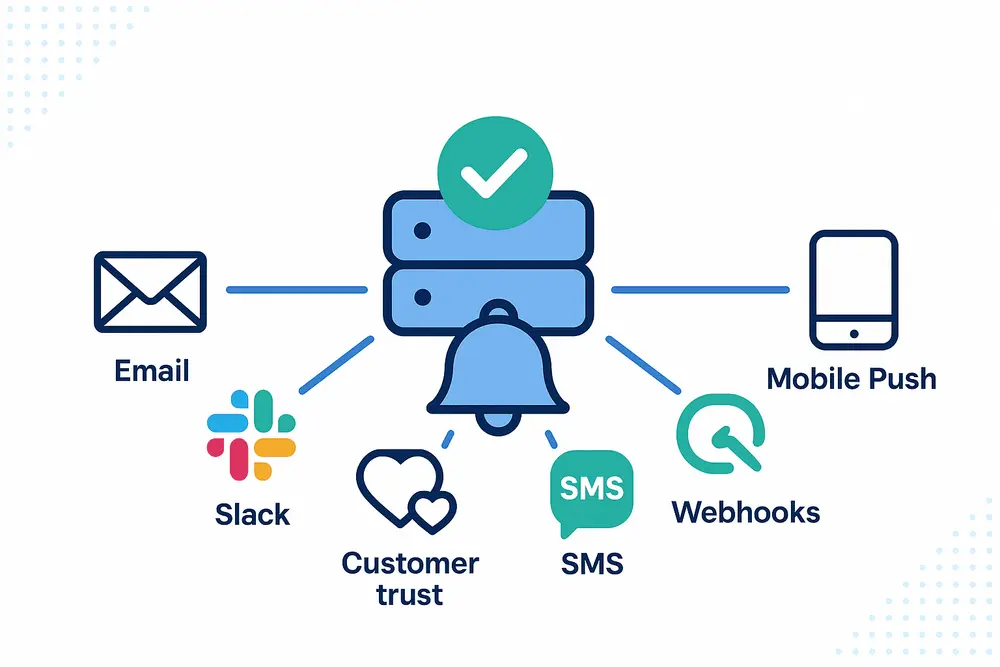
The same logic applies internally: use multi-channel delivery (Slack, email, SMS) for sales enablement content so reps stay current on messaging and tactics. Bite-sized training content helps your team better execute your external content strategy.
Global and stage-based nuance
Different regions favor different communication norms. Tailor content and channel mix accordingly and align your cadence with buying stages. The most successful teams focus on both the what (content) and the where (channels) to create a unified, always-on presence that nurtures pipeline with precision.
Tactic 3: Account-Based Pipeline Generation
Account-based pipeline generation turns the traditional funnel upside down. Instead of chasing volume, you focus on the accounts most likely to convert and create personalized, multi-stakeholder campaigns that drive meaningful engagement and revenue impact.
Select high-value accounts
Start by identifying accounts that match your ICP. Look for clear buying signals such as recent funding, leadership changes, or active hiring in relevant roles. Prioritize companies with the budget, urgency, and authority to make purchasing decisions.
In account-based strategies, quality beats quantity. It is far more effective to engage 50 high-fit accounts deeply than to lightly touch 500.
Map stakeholders and influence
Enterprise deals rarely depend on a single buyer. The average B2B buying group now involves about 11 stakeholders, each with distinct motivations and levels of influence.
Map decision-makers, influencers, and blockers across departments. Understanding the internal dynamics of a target account lets your team craft messaging that resonates with every layer of the organization.
Personalize every interaction
Generic outreach fails in account-based selling. Personalization is what converts awareness into credibility. Reference company-specific initiatives, competitive pressures, and relevant use cases in every touchpoint.
Measure engagement, not volume
Generic outreach fails in account-based selling. Personalization converts awareness into credibility. Reference company-specific initiatives, competitive pressures, and relevant use cases in every touchpoint.
Modern account intelligence tools make this process scalable by surfacing insights such as recent press releases, technology stacks, or content engagement patterns. Use these details to tailor your campaigns, from ad copy to executive emails.
Tactic 4: Real-Time Analytics and Automation
A modern pipeline generation strategy depends on real-time visibility and automated precision. The combination of analytics and automation turns pipeline management from a reactive process into a proactive growth engine.
Diagnose with real-time visibility
Sales pipeline analytics goes beyond traditional lead generation metrics. It captures the full journey from lead to conversion and exposes where opportunities slow down or disappear.
The most effective teams track both lead volume and conversion rates, and velocity, deal size trends, and win/loss patterns. These reveal leading indicators of performance.
If your average sales cycle is 90 days, waiting for closed deals means you're always analyzing the past. Instead, track early engagement metrics such as demo attendance, decision-maker involvement, or content interactions that signal future wins.
Real-time analytics allows immediate course correction. When leads from a specific source stall in the qualification stage, teams can act immediately rather than wait for quarterly reviews.
Predict and prioritize
Predictive analytics turns visibility into foresight. By modeling historical trends and engagement behavior, you can forecast pipeline health and identify at-risk deals before they become problems.
The same approach applies to internal performance. When employee training tracking reveals where sales reps are struggling, you can intervene early with targeted enablement before it impacts outcomes.
Dashboards should be intuitive and focus on actionable metrics rather than vanity numbers. The goal is rapid understanding that drives decisive action.
Automate with intelligent triggers
Automation converts insight into action. Well-designed triggers ensure that no qualified opportunity is missed while maintaining a personal, human touch.
Common high-value triggers include:
Repeated visits to pricing or demo pages
Downloads of high-intent content
Email engagement spikes
Deals inactive for two weeks or more
These triggers can launch helpful workflows such as sharing additional resources, prompting a check-in sequence, or routing leads to the right sales rep. Automation should feel supportive, not intrusive.
The same principle applies internally. When a new lead meets defined criteria, automation can assign ownership, enroll it in nurture sequences, and schedule optimal follow-up times.
Integrate and continuously improve
Analytics and automation reach full potential when integrated. Your CRM, marketing automation, communication, and training systems must continuously exchange data to create a unified pipeline generation workflow.
Integration creates improved learning outcomes: analytics reveal friction, automation responds, and performance data flows back into the system.
Advanced teams use behavioral triggers to deliver just-in-time training. For example, when a rep works on a new industry or product line, platforms such as Arist automatically surface relevant enablement content.
This continuous feedback loop improves both team performance and pipeline health over time.
How Arist Powers Pipeline Generation Success
Winning pipeline today is not about using more tactics. It is about executing the right motions with consistency. Arist helps teams close the execution gap in three ways.
AI assisted course creation
Turn product changes, competitive insights, and process updates into microlearning in minutes with our AI-powered creator. When your pipeline generation plan changes, the training changes with it.
Delivery in the flow of work
Lessons arrive in Slack, Teams, or SMS. Reps learn without being pulled out of work, and managers can nudge completion ahead of big pushes.
Enablement analytics linked to outcomes
See how knowledge gaps impact pipeline, then act before results suffer.
Pair the four pillar framework with continuous enablement and you get the compounding effect that separates top performers from the pack. Companies like Dealfront have used Arist to improve their pipeline generation by making sure their teams have the knowledge and skills needed to execute sophisticated strategies effectively.
FAQ
What is the main difference between pipeline generation and lead generation?
Pipeline generation focuses on creating qualified opportunities that convert into revenue, while lead generation typically focuses on volume. Pipeline generation accounts for longer, more complex B2B sales cycles where 70% of buyers research extensively before contacting sales.
How do I implement AI-powered lead scoring effectively?
Start by choosing tools that integrate with your existing CRM, marketing automation, and analytics platforms to create complete prospect profiles. Focus on behavioral and predictive analytics rather than demographic data, and make sure your sales team receives training on how to interpret and act on AI recommendations.
When should I consider switching to account-based pipeline generation?
Account-based approaches work best for enterprise sales with larger deal sizes that make sense for the additional investment, especially when you can identify specific high-value accounts showing buying signals. This strategy is most effective when you have the resources to deeply engage 50 target accounts rather than superficially touching 500.
What metrics should I track for real-time pipeline analytics?
Beyond traditional funnel metrics, track velocity, deal size trends, win/loss patterns, and leading indicators that predict future performance. Focus on early-stage engagement metrics that connect with eventual wins rather than waiting for deals to close, and use predictive analytics to identify at-risk deals before they become problems.
How can I make my automated workflows feel personal rather than robotic?
Design triggers based on meaningful behaviors like multiple pricing page visits or extended proposal stage duration, then respond with helpful resources or relevant information rather than immediate sales pitches. The key is providing value and tackling common concerns while maintaining appropriate timing and context for each interaction.
Final thoughts on proven pipeline generation tactics
The companies thriving in today's market aren't using more tactics: they're using smarter ones backed by AI, real-time data, and continuous team training. Your pipeline generation success depends on how well your team can execute these strategies, which is where tools like Arist become invaluable for keeping everyone trained and ready. The best tactics in the world won't drive growth if your team lacks the knowledge to implement them effectively. Start with one or two tactics that align with your current skills and resources, then expand as your team masters each approach.
Jasper Ng
Bring
real impact
to your people
We care about solving meaningful problems and being thought partners first and foremost. Arist is used and loved by the Fortune 500 — and we'd love to support your goals.
Curious to get a demo or free trial? We'd love to chat: